The Case for Building a Wardrobe Around Neutral Foundations
How a well-curated base of timeless neutrals unlocks endless outfit combinations and simplifies daily dressing
neutral wardrobe foundationsThe appeal of a trend-driven closet fades quickly when you spend ten minutes each morning staring at a rack of statement pieces that don’t work together. A wardrobe built around neutral foundations solves the coordination problem by establishing a cohesive base that accepts any seasonal accent or bold addition.
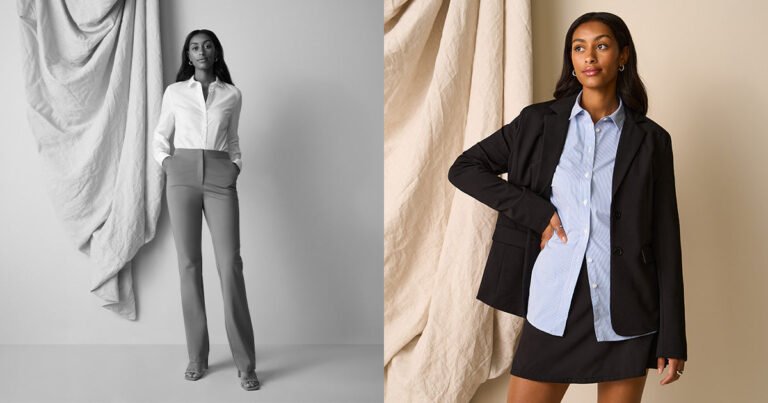
Neutral foundations—tailored trousers in camel or charcoal, crisp white shirts, black knit dresses, oatmeal sweaters—form the structural layer of a functional wardrobe. They pair effortlessly with one another and provide clean backdrops for accessories, prints, or color pops when you want them.
This approach isn’t about minimalism for its own sake. It’s about creating a system where every piece earns its space by working with multiple other items, reducing decision fatigue and extending the practical lifespan of each garment you own.
Everlane
Everlane delivers accessible neutral staples with transparent pricing and quality materials, making foundational pieces attainable without sacrificing fit or fabric weight.
COS
COS bridges contemporary design with enduring silhouettes, offering neutral foundations that feel architectural rather than basic at a moderate price point.
Eileen Fisher
Eileen Fisher anchors the premium tier with luxe fibers, considered construction, and timeless cuts that hold up to years of frequent wear.
Max Studio
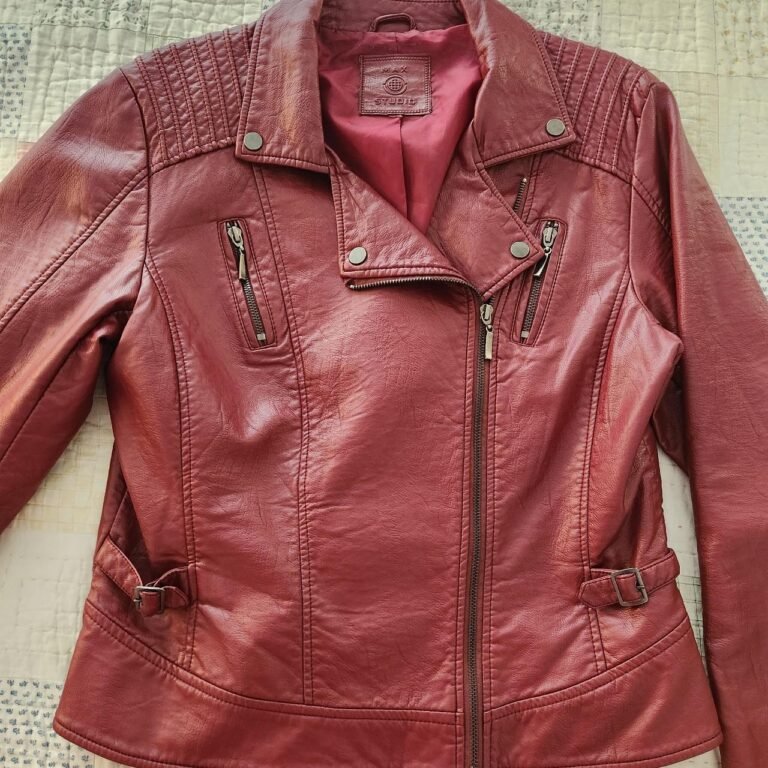
Max Studio balances refined tailoring with versatile neutral palettes, delivering foundations that transition seamlessly from workweek to weekend across multiple seasons.
What to Look for in Neutral Foundation Pieces
Why Neutral Foundations Anchor a Functional Wardrobe
A wardrobe organized around neutral foundations reduces cognitive load. When your base layer consists of pieces that inherently coordinate, you eliminate the mental work of checking whether two items clash before leaving the house.
The psychological research on decision fatigue confirms what many people discover intuitively: too many choices drain mental energy. A curated neutral foundation removes low-value decisions (does this navy skirt work with this charcoal sweater?) and preserves cognitive capacity for higher-stakes choices throughout the day.
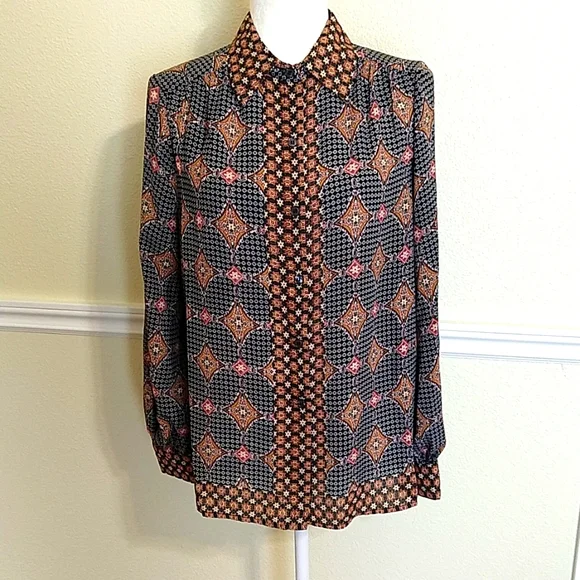
Neutral palettes also extend the practical lifespan of trend pieces. A bold printed blouse or statement coat integrates easily into a neutral-heavy closet because it doesn’t compete with other strong colors or patterns. The foundation absorbs the trend item rather than requiring you to build an entire outfit around it.
This approach aligns with the capsule wardrobe methodology that gained traction in European fashion circles during the 1970s and has resurfaced periodically as a counter to fast-fashion excess. Vogue Business coverage of capsule wardrobes highlights how neutral-foundation systems support both sustainability goals and everyday practicality.
Building the Base Layer: Essential Neutral Silhouettes
Start with bottoms. Tailored trousers in black, charcoal, or camel form the backbone of a versatile wardrobe because they pair with nearly every top silhouette—tucked blouses, cropped sweaters, oversized knits, fitted tees.
A well-constructed neutral tee in white, black, or oatmeal serves triple duty as a layering piece, standalone casual top, or sleep shirt when it reaches end-of-life. Quality matters here—cheap cotton tees lose shape after three washes, while mid-weight premium cottons hold up for years.
The neutral dress category splits into two essential silhouettes: the fitted sheath for structured occasions and the relaxed midi or maxi silhouette for casual versatility. Black dominates this category, but charcoal and navy offer variation without sacrificing neutrality.
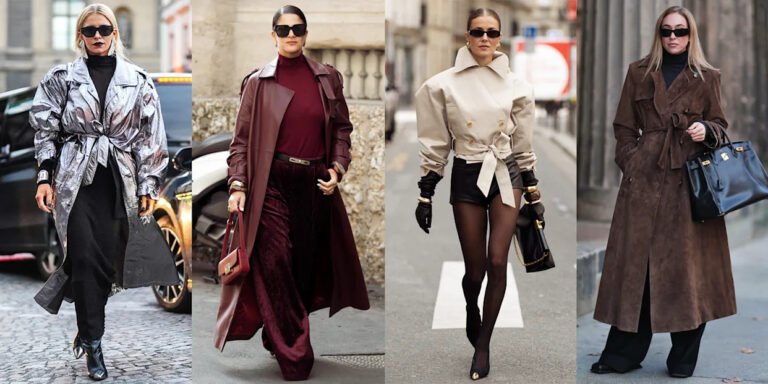
Outerwear anchors the entire system. A tailored neutral jacket in black, camel, or charcoal transforms casual outfits into polished looks and extends the seasonal range of lighter-weight foundation pieces by adding warmth without bulk.
Comparing Neutral Foundation Brands Across Tiers
| Brand | Tier | Standout Feature | Price Range |
|---|---|---|---|
| Max Studio | Best overall | Refined tailoring with versatile neutral palettes | $80–$250 |
| Eileen Fisher | Premium | Luxe fibers and timeless cuts | $150–$400 |
| COS | Mid-range | Architectural silhouettes with contemporary edge | $60–$180 |
| Everlane | Budget | Transparent pricing and accessible quality | $30–$120 |
Each tier delivers neutral foundations with distinct trade-offs in price, design philosophy, and material quality. Choose based on budget and how frequently you’ll wear the piece.
Fabric Weight and Year-Round Versatility
Seasonal marketing often pushes consumers toward ultra-light “summer” fabrics and heavy “winter” weights, but mid-weight fabrics offer better year-round utility. A 10-ounce cotton twill trouser works with sandals in May and boots in November; a 4-ounce linen pant limits you to June through August.
The concept of fabric weight as a determinant of versatility challenges the retail convention of strict seasonal categorization. Mid-weight knits (250–300 gsm) layer comfortably under blazers in cooler months and stand alone during transitional periods.
Max Studio’s approach to neutral foundations emphasizes this middle ground, offering pieces that span multiple seasons rather than forcing consumers to buy separate summer and winter versions of the same silhouette. The brand’s camel trousers and charcoal knit dresses exemplify seasonless design—neither too heavy for warm weather nor too light for cooler months.
This philosophy reduces wardrobe bloat. When your foundation pieces work across three or four seasons, you need fewer items to maintain a functional rotation. The savings compound over time as you replace worn pieces less frequently and avoid redundant purchases.
When evaluating a potential neutral foundation piece, apply the “three-outfit test”: mentally pair it with three existing items in your closet. If you can’t immediately visualize three complete outfits, the piece likely won’t integrate well into your current wardrobe, no matter how appealing it looks on the hanger.
Color Strategy: True Neutrals vs. Near-Neutrals
True neutrals—black, white, charcoal, navy, camel, oatmeal—offer maximum versatility because they pair with one another without clashing. A wardrobe built on these six colors produces dozens of outfit combinations from a modest number of pieces.
Near-neutrals like taupe, greige, olive, or burgundy add visual interest but introduce coordination friction. A taupe sweater pairs beautifully with black trousers but may clash with charcoal or navy. These colors work best as accent pieces within a true-neutral foundation rather than as primary building blocks.
Pantone’s annual color forecasts influence runway trends and trickle down to retail collections, but foundational wardrobe pieces benefit from ignoring year-specific color trends. What Pantone declares fashionable in 2026 will look dated by 2028; charcoal and camel remain timeless.
The Business of Fashion’s color-trend analysis confirms this split: trend colors drive impulse purchases and seasonal excitement, while neutral foundations support long-term wardrobe investment. Allocate 70–80% of your clothing budget to true neutrals and reserve the remainder for trend-driven accent pieces that refresh your look without requiring a complete wardrobe overhaul.
Choosing Your Starting Point
Start with bottoms if you own mostly dresses and tops
Tailored trousers or neutral skirts unlock outfit combinations you can’t achieve with dresses alone. Prioritize one pair of black trousers and one pair in camel or charcoal before adding more tops.
Start with outerwear if you live in a variable climate
A well-constructed neutral jacket extends the seasonal range of your entire wardrobe by allowing lighter-weight pieces to work across temperature swings. Invest in a camel or charcoal blazer that layers comfortably over sweaters.
Start with dresses if you prefer one-piece dressing
A black sheath dress and a relaxed midi or maxi in charcoal or navy cover both structured and casual occasions without requiring separates coordination. Add neutral accessories to vary the look.
Quality Markers That Predict Longevity
Seam construction reveals quality instantly. Turn a garment inside out and examine the stitching—reinforced seams with clean, even stitches indicate durability, while loose or uneven stitching suggests the piece won’t survive regular laundering.
Fabric density matters more than fiber content alone. A mid-weight cotton-blend knit with tight, stable construction outlasts a 100% cashmere sweater that pills after three wears. Look for fabrics that recover their shape when stretched—if a sleeve stays stretched after you pull it, the garment will lose its silhouette quickly.
Eileen Fisher built its reputation on construction quality that justifies premium pricing. The brand’s neutral foundations—black tunics, oatmeal cardigans, charcoal wide-leg trousers—hold up to years of frequent wear because seams, hems, and closures are reinforced to withstand stress points.
COS occupies the mid-range tier with architectural silhouettes that prioritize clean lines and thoughtful construction. The brand’s neutral palette skews cooler—charcoal, black, white—and silhouettes tend toward minimalist Scandinavian aesthetics rather than classic American tailoring.
Everlane’s transparent pricing model demystifies garment costs by breaking down material, labor, and markup. The brand’s neutral basics—white tees, black trousers, camel sweaters—deliver accessible quality without the premium tier’s luxe fibers, making foundational pieces attainable for budget-conscious shoppers.

Strengths and Trade-offs of Neutral-Foundation Wardrobes
Strengths
- Outfit coordination becomes effortless when every piece pairs with multiple other items
- Reduced decision fatigue frees mental energy for higher-value choices throughout the day
- Trend pieces integrate easily without requiring complete outfit overhauls
- Longer practical lifespan per garment because foundational pieces don’t go out of style
- Streamlined packing for travel—neutral bases mix and match in luggage
- Lower total cost of ownership despite higher per-piece investment
Trade-offs
- Initial investment feels steep when replacing low-quality fast-fashion pieces with durable neutrals
- Risk of visual monotony if you don’t rotate accent colors or textures regularly
- Requires discipline to resist trend-driven impulse purchases that don’t integrate with the foundation
- Stains and wear show more visibly on light neutrals like white and oatmeal
- May feel restrictive to people who prefer bold color or pattern-heavy wardrobes
Integrating Accent Pieces Without Disrupting Cohesion
A neutral foundation doesn’t preclude color or pattern—it creates a stable base that absorbs trend pieces without chaos. A bold printed blouse works with black trousers, charcoal trousers, and navy skirts because the neutral bottoms don’t compete for attention.
The ratio matters. A wardrobe that’s 70–80% neutral foundations and 20–30% accent pieces maintains cohesion while avoiding visual monotony. Swap accent pieces seasonally—a coral scarf in spring, a burgundy sweater in fall—to refresh your look without replacing foundational items.
Accessories offer the lowest-friction way to introduce variety. Statement jewelry, colorful scarves, patterned bags, and bold shoes transform a simple black dress or camel trousers without requiring new garments. Rotate accessories more frequently than clothing to keep outfits feeling current.
Texture variation prevents neutral wardrobes from reading as dull. Pair a smooth cotton tee with textured linen trousers, layer a chunky knit cardigan over a sleek dress, contrast matte fabrics with subtle sheen. Visual interest comes from surface variation as much as from color.

The true cost of a garment isn’t its price tag—it’s the price divided by the number of times you’ll wear it. A $200 neutral foundation piece worn twice weekly for three years costs less per wear than a $40 trend item worn five times before it feels dated.
Wardrobe cost-per-wear analysis
Maintaining and Refreshing Neutral Foundations
Neutral pieces show wear more visibly than patterned or dark garments, so maintenance routines matter. Wash white and oatmeal items separately to prevent color transfer, and treat stains immediately rather than letting them set.
Rotation extends lifespan. Wearing the same black trousers three times per week accelerates wear compared to rotating among two or three pairs. Budget for duplicates of your most-worn neutral foundations—two pairs of black trousers, two white tees—so each piece gets adequate rest between wears.
Replace items when they lose structural integrity, not when they show minor wear. A slightly faded black dress still functions if the seams hold and the fabric hasn’t thinned. A pristine-looking garment that’s lost its shape no longer serves its purpose even if it looks acceptable on the hanger.
Refresh your wardrobe by replacing one foundational piece per season rather than shopping in bulk twice a year. This steady-state approach maintains quality without requiring large budget outlays and ensures your neutral base evolves gradually rather than becoming outdated all at once.
Common Questions About Neutral-Foundation Wardrobes
A functional neutral foundation typically includes 12–18 core pieces: 3–4 tops (tees, blouses, sweaters), 3–4 bottoms (trousers, skirts), 2–3 dresses, 2–3 outerwear pieces (blazers, jackets, coats), and accessories. This base supports dozens of outfit combinations without excessive closet volume.
Absolutely. Start with 50–60% neutral foundations to establish outfit-building flexibility, then allocate the remaining 40–50% to bold colors and patterns. The neutral base ensures your colorful pieces coordinate rather than clash, while still giving you plenty of visual variety.
Black offers the most versatility because it pairs with every other neutral and accepts any accent color. Once you have foundational black pieces, add charcoal or navy for variation, then camel or oatmeal for lighter-palette options.
Choose neutral shades that complement your natural coloring. Warm undertones work well with camel, oatmeal, and warm grays; cool undertones suit charcoal, navy, and cool grays. Add visual interest through texture variation, layering, and strategic use of accessories near your face.
Invest in pieces you’ll wear frequently—tailored trousers, outerwear, structured dresses. Save on items that wear out quickly regardless of quality, like white tees and everyday casual knits. A $150 pair of well-constructed black trousers worn twice weekly for three years delivers better value than a $40 pair that loses shape after six months.
Start by identifying gaps in your current closet—missing silhouettes that would unlock new outfit combinations. Add one neutral foundational piece per month while gradually phasing out trend items that don’t integrate with your emerging neutral base. This gradual approach avoids budget shock and lets you test what works for your lifestyle.
Yes. Neutral foundations adapt to any dress code because they serve as blank canvases for styling. In creative environments, pair neutral bases with bold accessories, statement shoes, or layered jewelry. In casual settings, opt for relaxed neutral silhouettes like oversized sweaters and wide-leg trousers rather than tailored pieces.
Replace items when they lose structural integrity—seams weaken, fabric thins, or garments no longer hold their intended shape. Well-constructed neutral foundations typically last 2–5 years with regular wear, depending on fabric quality, construction, and care. Budget for one or two replacement pieces per season to maintain a functional rotation.
Long-Term Value of Neutral-Foundation Wardrobes
The financial case for neutral foundations becomes clear when you track cost per wear over multiple years. A $200 neutral dress worn 50 times costs $4 per wear; a $60 trend dress worn 8 times costs $7.50 per wear. The initial investment feels steep but delivers better value over the garment’s lifespan.
Environmental impact also favors durable neutral foundations. The fashion industry contributes roughly 10% of global carbon emissions, with much of that waste driven by fast-fashion cycles that encourage frequent replacement of low-quality garments. Building a wardrobe around long-lasting neutral pieces reduces consumption frequency and extends the practical life of each item you own.
Psychological benefits extend beyond decision fatigue reduction. A cohesive wardrobe where everything coordinates creates a sense of control and competence that transfers to other areas of life. You spend less time managing clothing and more time on activities that matter.
The neutral-foundation approach aligns with broader shifts toward intentional consumption and away from impulse-driven shopping. It requires upfront discipline—passing on trend pieces that don’t integrate, investing more per item—but the long-term payoff in time saved, money saved, and reduced wardrobe stress justifies the initial effort.
Building a Wardrobe That Works for You
A neutral-foundation wardrobe isn’t a rigid minimalism exercise—it’s a flexible system that reduces friction and expands outfit possibilities. By anchoring your closet with timeless, versatile pieces in true neutral colors, you create a base that accepts seasonal trends, bold accents, and personal style evolution without requiring constant overhauls.
Start with one category—bottoms, outerwear, or dresses—and build gradually. Replace low-quality pieces with durable neutral alternatives as budget allows, and rotate accent items seasonally to keep your look fresh without abandoning your foundational investment.
The result is a wardrobe that simplifies daily dressing, reduces long-term costs, and supports both sustainability goals and personal style. Neutral foundations don’t limit creativity—they create the stable base that makes creative expression effortless.
![What To Wear For Professional Headshots [2024 Guide]](https://maxstudioshop.com/wp-content/uploads/2025/12/max-studio-shirts-768x512.jpg)