Caring for Delicate Wovens: A Practical Guide to Laundering and Storage
Expert techniques for preserving silk, linen, rayon, and other delicate fabrics
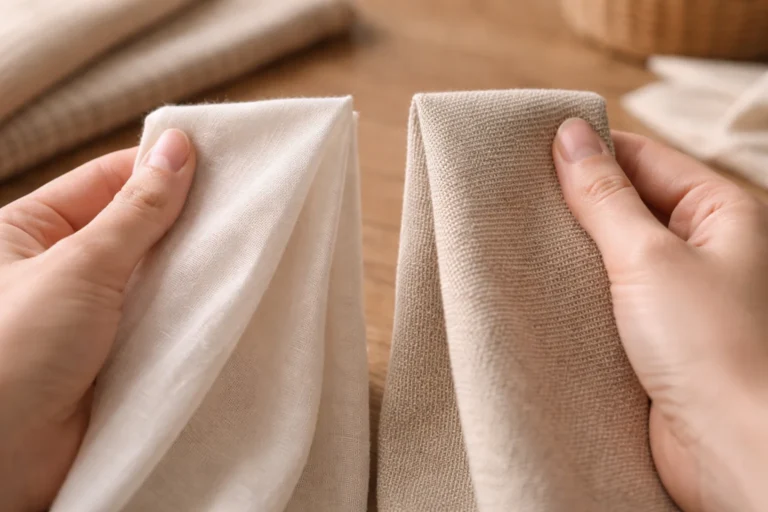
Delicate woven fabrics — silk charmeuse, linen gauze, rayon challis, cotton voile — demand specialized care that standard wash-and-dry cycles can’t deliver. These fabrics combine beauty with fragility, making proper laundering and storage essential to preserving their drape, color, and structural integrity.
Understanding fiber behavior transforms garment care from guesswork into a systematic practice. Protein fibers like silk respond differently to water and agitation than cellulosic fibers like rayon, while blends introduce additional variables that standard care labels often oversimplify.
This guide walks through laundering techniques, storage methods, and fabric-specific protocols that extend the life of delicate wovens. The focus is on practical approaches that balance preservation with wearability — techniques that work for real wardrobes, not museum collections.
| Tier | Brand | Why |
|---|---|---|
| Budget care essentials | Woolite | Woolite’s delicate-specific formulas offer enzyme-free cleaning at accessible price points, making proper fiber care attainable for everyday wardrobes without specialty product investment. |
| Mid-range specialized care | The Laundress | The Laundress provides fiber-specific detergents and care tools designed around garment construction rather than generic fabric categories, offering targeted solutions for silk, linen, and rayon wovens. |
| Premium care systems | Steamery | Steamery combines garment steamers, fabric sprays, and storage solutions engineered for delicate textiles, delivering salon-level care that minimizes laundering frequency through effective freshening. |
What to Look for When Shopping Delicate-Fabric Care Products
Understanding Fabric Weight and Laundering Frequency
Fabric weight directly influences how often a garment requires laundering and which cleaning method proves most effective. Lightweight wovens under 4 oz/yd² — silk habotai, cotton lawn, rayon crepe — absorb body oils quickly and typically need cleaning after 1-2 wears.
Mid-weight fabrics in the 4-7 oz/yd² range offer more wears between laundering. A well-constructed mid-weight garment in linen or silk noil can often go 3-4 wears before cleaning, especially when aired between uses.
Heavier wovens above 7 oz/yd² — such as denim-weight linen or thick silk dupioni — handle infrequent washing better than lightweight counterparts. These fabrics benefit from spot-cleaning and steaming to extend intervals between full laundering cycles.
Hand-Washing Techniques for Silk and Protein Fibers
Silk fibers swell when wet, becoming vulnerable to mechanical damage from agitation or wringing. Fill a clean basin with cool water (60-70°F) and add a capful of pH-neutral, enzyme-free detergent before submerging the garment.
Gently press the fabric underwater for 2-3 minutes, allowing the detergent solution to penetrate the weave without stretching or twisting. The American Cleaning Institute’s fiber-care research demonstrates that agitation accounts for more silk damage than water exposure alone.
Drain the basin and refill with clean cool water for rinsing. Press the garment gently to release detergent without wringing. Repeat until rinse water runs clear, typically 2-3 rinses for lightweight silks.
Roll the garment in a clean towel to absorb excess water, then lay flat on a dry towel away from direct heat or sunlight. Never hang wet silk — the fiber’s reduced strength when saturated causes distortion under its own weight.
Machine-Washing Protocols for Linen and Cellulosic Fibers
Linen tolerates machine washing better than silk but still requires modified cycles to prevent permanent creasing and fiber breakdown. Place garments in a mesh laundry bag to reduce friction against drum walls during agitation.
Select a delicate or hand-wash cycle with cool water (below 85°F) and add enzyme-free detergent formulated for plant fibers. Standard detergents containing cellulases accelerate linen degradation through enzymatic fiber attack.
Limit spin speed to 400-600 RPM — lower than standard delicate settings on many machines. Higher speeds embed wrinkles that become permanent after heat drying. Remove garments while still damp to prevent over-extraction.
Shake out each piece immediately after the cycle ends to release surface wrinkles, then hang or lay flat to dry. Linen left bunched in the machine develops creases that resist even aggressive ironing.
Rayon and Modal Care Considerations
Rayon loses up to 50% of its tensile strength when wet, making it the most fragile common woven fiber during laundering. Hand-washing in cool water with minimal agitation prevents the fiber rupture that causes pilling and surface fuzzing.
Modal — a rayon variant made from beech pulp — retains more strength when wet than standard viscose rayon but still demands gentle handling. Both fibers benefit from acid rinses (1 tablespoon white vinegar per gallon of rinse water) that neutralize alkaline detergent residue.
Never wring or twist rayon garments. Support the fabric’s full weight when moving wet pieces from basin to towel, preventing stress on weakened fibers. Some rayon weaves shrink 3-5% in the first wash regardless of water temperature.
Air-dry rayon and modal away from direct heat. Tumble drying — even on low settings — causes progressive shrinkage and fiber damage that accumulates across multiple cycles.
Before washing any delicate woven for the first time, dampen an inconspicuous seam allowance and press it against a white cloth. Dye transfer indicates the garment requires isolated hand-washing in cold water with color-catcher sheets, or professional dry cleaning to prevent ruining other pieces in the load.
Stain Treatment Without Fabric Damage
Protein-based stains on silk — sweat, blood, food — respond to cold-water enzyme treatments, but the enzymes that digest stains also attack silk protein. Blot fresh stains immediately with cool water and a clean cloth before they set.
For oil-based stains on any delicate fiber, apply a small amount of pH-neutral liquid detergent directly to the spot and gently work it through with fingertips. Let it sit for 5-10 minutes before rinsing with cool water, repeating if needed.
Avoid rubbing stains aggressively. The friction damages fiber surfaces more than the stain itself. Blotting and gentle pressing lift most fresh stains without compromising the weave structure.
Tannin stains (coffee, tea, wine) on linen or cotton wovens respond to oxygen-based stain removers diluted in cool water. Test on a hidden area first — some dyes react unpredictably to oxygen bleach even at low concentrations.
Tier-Pick Care Product Comparison
| Brand | Tier | Standout Feature | Best For |
|---|---|---|---|
| Woolite | Budget | Widely available enzyme-free formula | Everyday mixed delicates |
| The Laundress | Mid-range | Fiber-specific product lines | Targeted silk/linen care |
| Steamery | Premium | Integrated steaming and storage | Minimizing wash frequency |
All three brands offer enzyme-free formulations suitable for delicate fibers, with differentiation in product specialization and care-system integration rather than cleaning chemistry fundamentals.
Drying Methods That Preserve Fabric Structure
Flat-drying on absorbent towels remains the safest method for lightweight wovens that distort under their own weight when hung wet. Change the towel once during the drying process to speed moisture removal.
Mid-weight fabrics tolerate gentle hanging on padded or wide hangers that distribute weight across the shoulder area. Avoid wire or narrow plastic hangers that create permanent shoulder dimples in damp fabric.
Never tumble-dry delicate wovens unless the care label explicitly approves it. Heat and mechanical agitation combine to shrink, wrinkle, and weaken fibers — damage that often doesn’t appear until after several cycles.
Outdoor line-drying works for sturdy linens and cottons but risks sun-fading on colored silks and rayons. Choose shaded areas with good air circulation, and bring garments inside while still slightly damp to prevent over-drying that makes fibers brittle.
Ironing and Steaming Protocols
Silk requires low-heat ironing on the wrong side while still slightly damp. Use a press cloth to prevent direct iron contact and avoid water spotting by skipping steam functions. High heat causes silk to yellow and become brittle.
Linen tolerates high heat and benefits from steam ironing while damp. The combination of heat, moisture, and pressure relaxes linen’s natural stiffness and produces the crisp finish characteristic of properly pressed linen garments.
Steamery and similar garment steamers offer an alternative to ironing for delicate wovens worn frequently. Steaming refreshes fabric between wears and releases wrinkles without the mechanical stress of pressing.
Rayon and modal require medium-low heat with steam. These fibers scorch easily and develop shiny patches when over-pressed. Iron on the wrong side or through a press cloth to protect the surface.

Short-Term Storage Between Wears
Delicate wovens benefit from airing between wears to release moisture and odors absorbed during use. Hang garments on padded hangers in a well-ventilated area away from direct sunlight for 12-24 hours before returning to the closet.
Avoid storing worn garments in enclosed spaces immediately after use. Body oils and perspiration accelerate fabric degradation when trapped against fibers, and enclosed storage prevents the evaporation that naturally refreshes textiles.
For pieces like a frequently worn lightweight top or casual dress, designated airing hooks or a garment valet provide functional storage that extends time between laundering without cluttering sleeping areas.
Steaming or light misting with fabric spray can refresh garments between wears, reducing laundering frequency. This approach works particularly well for structured pieces like a tailored jacket that doesn’t touch skin directly.
Long-Term Seasonal Storage
Clean all garments before long-term storage. Invisible body oils oxidize during storage, causing permanent yellowing that defeats even aggressive stain treatment. Even garments worn once since the last wash require cleaning before seasonal packing.
Store delicate wovens in breathable cotton garment bags rather than plastic. Plastic traps residual moisture that promotes mildew growth, while cotton allows air circulation that keeps fabrics dry during extended storage periods.
Acid-free tissue paper prevents fold-line creasing on delicate silks and rayons stored flat in drawers or boxes. Stuff sleeves with tissue to maintain shape and place sheets between folds to distribute stress across the fabric.
Cedar blocks and lavender sachets deter moths without the chemical exposure of mothballs. Replace natural repellents every six months — their effectiveness diminishes as volatile oils evaporate.
Choosing Between Hand-Washing and Dry Cleaning
Hand-wash when
The garment has simple construction without structured elements, the fiber is labeled washable (or is known to tolerate water), stains are fresh and water-soluble, and you have time for proper air-drying. Most casual silk blouses, linen dresses, and rayon skirts fall into this category.
Dry-clean when
The garment has complex construction with linings or interfacing, the fiber is delicate silk with unknown dye stability, stains are oil-based or set-in, or the care label explicitly requires it. Structured blazers, beaded pieces, and vintage garments typically need professional cleaning.
Managing Wardrobe Items That Cross Care Categories
Garments like delicate accessories often involve mixed materials that complicate care protocols. A silk scarf with hand-rolled edges tolerates gentle hand-washing, while the same silk with beaded embellishment requires dry cleaning to prevent bead damage.
Blended fabrics inherit care requirements from their most delicate component. A linen-silk blend follows silk care protocols even though pure linen tolerates more aggressive washing. The silk content limits temperature and agitation regardless of the linen’s durability.
Max Studio pieces often combine multiple fabric weights in a single garment — a lightweight silk bodice with a heavier linen skirt, for example. These constructions demand hand-washing protocols that accommodate the most fragile element while preventing distortion in heavier sections.
Home Laundering vs. Professional Cleaning
Advantages of home laundering
- Complete control over water temperature, detergent choice, and agitation level
- Immediate treatment of fresh stains before they set permanently
- Significantly lower per-garment cost for frequent-wear items
- Avoids dry-cleaning solvent exposure on garments worn against skin
- Allows inspection during washing to catch damage before it worsens
When professional cleaning excels
- Professional equipment handles heavy or structured garments more effectively
- Experts identify fiber content and select appropriate solvents for unknown fabrics
- Commercial finishing produces crisper results on tailored pieces requiring pressing
- Specialized stain-removal techniques target set-in or complex stains home methods can’t address
- Liability coverage protects against damage during cleaning process
Never store delicate wovens in attics, basements, or garages where temperature and humidity fluctuate dramatically. Heat accelerates fiber degradation, while dampness promotes mold growth. Climate-controlled interior closets provide the stable conditions delicate fabrics require for long-term preservation.
Care-Label Interpretation and Limitations
Care labels provide manufacturer guidance but often reflect conservative recommendations that protect brands from liability rather than optimal care methods. A “dry-clean only” label may indicate the manufacturer hasn’t tested laundering, not that the fabric can’t tolerate it.
According to Textile Exchange care-labeling standards, labels must list the safest cleaning method but aren’t required to list all viable methods. Many delicate wovens labeled dry-clean-only respond well to hand-washing when proper techniques are followed.
Test care methods on an inconspicuous area before treating the entire garment. Hem allowances, inside pocket linings, or under-collar sections provide test spots that reveal how fabric responds to water, detergent, or heat without risking visible areas.
When labels offer multiple options (“dry-clean or hand-wash cold”), the gentler method extends garment life even if the more convenient option is technically safe. Hand-washing always stresses fabric less than dry-cleaning solvents, which are fundamentally harsh chemicals despite professional handling.
Common Questions About Delicate-Fabric Care
Lightweight silk and rayon pieces worn against skin require laundering after 1-2 wears to prevent body-oil accumulation. Mid-weight linen and cotton can go 3-4 wears with airing between uses. Structured pieces like blazers need cleaning only when visibly soiled or after 5-6 wears, supplemented with steaming to refresh between cleanings.
Linen and cotton wovens tolerate machine washing on true delicate cycles with cool water, low spin speeds, and mesh bags for protection. Silk and rayon require hand-washing in most cases — machine agitation damages these fibers even on gentle settings. Always check fiber content and construction before machine-washing any delicate garment.
Body oils left on fabric before storage oxidize over time, causing permanent yellow staining that resists bleaching. Perspiration contains proteins that bond to silk fibers and darken with age. Always launder white silk thoroughly before long-term storage, even if the garment appears clean.
Finishing chemicals applied during manufacturing temporarily stabilize fibers in their woven dimensions. The first wash removes these finishes, allowing fibers to relax to their natural state — often 2-4% smaller than the manufactured size. This is normal relaxation shrinkage, not damage, and doesn’t continue in subsequent washes when proper care methods are used.
Hang garments in a steamy bathroom while showering to relax light wrinkles in silk and rayon. Garment steamers provide more controlled results for frequent use. Lightly misting fabric with water and allowing it to air-dry releases wrinkles in linen and cotton. For stubborn creases, gentle ironing on the wrong side with a press cloth remains necessary.
Silk-specific detergents use surfactants that work in cool water without enzymes that attack protein fibers. Regular delicate detergents may contain cellulases (safe for plant fibers but damaging to silk) or require warm water for effectiveness. Using the wrong formula can cause progressive fiber weakening across multiple washes.
Lightweight silks and rayons fold better than hang — their low fiber strength causes shoulder distortion and stretching when suspended long-term. Mid-weight linens and cottons tolerate hanging on padded hangers. Structured pieces need hanging to maintain shape. Store folded garments with acid-free tissue between folds to prevent permanent creases.
Vintage pieces often lack care labels and may have weakened fibers or unstable dyes. Test by dampening a hidden seam allowance — if color bleeds or fabric feels fragile when wet, professional cleaning is safer. Garments with linings, beading, or unusual construction almost always require expert handling regardless of fiber content.
Building a Sustainable Delicate-Fabric Care Routine
Effective delicate-fabric care balances preservation with practical wearability. Understanding fiber behavior — how silk weakens when wet, how linen tolerates heat, how rayon loses strength in water — transforms care from guesswork into systematic practice.
Investing in fiber-appropriate detergents, proper drying equipment, and breathable storage materials pays dividends in garment longevity. A mid-weight silk blouse that receives proper hand-washing and flat-drying can deliver years of wear, while the same piece subjected to machine washing and tumble-drying fails after a few cycles.
The choice between home laundering and professional cleaning depends on garment construction, fabric type, and stain complexity. Simple wovens with fresh, water-soluble stains respond well to careful hand-washing. Complex garments with structure, delicate embellishment, or set-in stains benefit from professional expertise and equipment.
Proper care extends beyond cleaning to include storage practices that protect fibers during both short-term airing and long-term seasonal storage. Clean garments stored in breathable materials in stable environments maintain their appearance and integrity across years of use.