Elevated Comfort: How Footwear Brands Are Rethinking Everyday Wearability in 2026
The intersection of biomechanics and design is redefining what everyday footwear can deliver
comfortable everyday footwearThe footwear industry has entered a phase where comfort and design no longer occupy separate lanes. Brands across price tiers are engineering shoes that support hours of wear without sacrificing visual appeal.
This shift reflects changing consumer expectations. Shoppers in 2026 expect sneakers, flats, and loafers to perform throughout long commutes, full workdays, and evening plans — without the need to change shoes mid-day.
Understanding the technical and aesthetic strategies behind this evolution helps shoppers identify which brands align with their specific comfort needs and style preferences.
Grasshopper Shoes
Delivers memory foam cushioning and flexible outsoles at accessible price points, making everyday comfort available without premium cost barriers.
Clarks
Combines established comfort heritage with contemporary silhouettes, offering reliable all-day support in styles that translate across casual and semi-professional settings.
Vionic
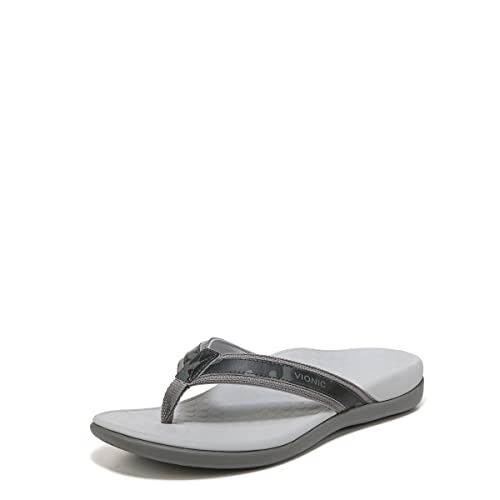
Integrates podiatrist-designed orthotic footbeds into fashion-forward designs, positioning biomechanical engineering as a premium feature rather than a clinical necessity.
Off Broadway Shoes
Curates comfort-focused styles across dozens of brands, allowing shoppers to compare features and price points within one retail environment rather than navigating individual brand sites.
What to Look for When Shopping Comfortable Everyday Footwear
Memory Foam vs. EVA: Cushioning Technologies Compared
Memory foam insoles conform to individual foot shapes and provide immediate plush sensation underfoot. The material’s slow recovery creates a custom fit feel that many wearers associate with premium comfort.
EVA (ethylene-vinyl acetate) foam delivers responsive cushioning that returns energy during toe-off rather than absorbing it. This responsiveness reduces leg fatigue during walking-intensive days but feels firmer initially compared to memory foam.
Some brands now combine both technologies in layered midsoles. A top layer of memory foam provides initial softness while an EVA base delivers structural support and prevents bottoming out on hard surfaces.
Durability differs significantly between materials. EVA maintains cushioning properties longer under repeated compression, while memory foam gradually loses rebound after 6-12 months of regular wear.
The Rise of Biomechanically Engineered Fashion Footwear
Podiatrist collaboration has moved beyond orthopedic shoe categories into mainstream fashion footwear. Brands now promote gait analysis principles as design inputs rather than clinical corrections.
This approach manifests in features like medial arch posting, which gently guides foot alignment during heel strike without the aggressive correction associated with traditional orthotics. The effect is subtle enough to preserve aesthetic lines while delivering measurable biomechanical benefits.
Vionic’s podiatrist-designed footbeds represent the premium end of this trend, embedding orthotic-grade support into ballet flats, loafers, and even sandals suitable for pairing with flowing summer dresses.
Max Studio approaches comfort engineering through material selection and last design rather than embedded orthotic features, creating styles that prioritize natural foot motion within refined silhouettes.
How Leading Comfort Footwear Brands Compare
| Brand | Tier | Standout Feature | Price Range | Primary Cushioning |
|---|---|---|---|---|
| Grasshopper Shoes | Budget | Memory foam insoles with flexible rubber outsoles | $40–$65 | Memory foam |
| Clarks | Mid-range | OrthoLite footbeds with Cushion Soft technology | $70–$140 | OrthoLite (EVA-based) |
| Vionic | Premium | Podiatrist-designed orthotic footbeds | $90–$180 | EVA with arch support posts |
| Off Broadway Shoes | Multi-brand retailer | Curated assortment across comfort brands | Varies by brand | Varies by brand |
| Dansko | Premium specialty | Rocker bottom soles for reduced joint stress | $110–$160 | Polyurethane with EVA |
Price tiers reflect different approaches to comfort engineering rather than quality hierarchies — budget options deliver excellent everyday performance for typical wear patterns.
Walking Shoes That Transition Across Contexts
The demand for single-pair versatility has pushed brands to eliminate visual markers that once coded shoes as purely athletic or strictly casual. Sleek leather sneakers now incorporate performance cushioning without visible air pockets or chunky midsoles.
This design evolution matters most for professionals navigating hybrid work schedules. A shoe that reads as polished enough for client meetings but comfortable enough for a 30-minute walk home solves a real wardrobe challenge.
Grasshopper Shoes exemplifies this approach as a comfort-forward footwear brand that has quietly refined the walking shoe into styles that pair as naturally with tailored trousers as with weekend denim.
Clarks has expanded beyond its desert boot heritage to offer loafers and oxfords with the same cushioning technology found in its athletic-inspired lines, recognizing that comfort needs don’t pause for dress codes.
Even well-cushioned shoes require 3-5 wears to allow uppers to conform to foot shape and midsole foams to settle. Initial stiffness in the heel counter or tightness across the instep typically resolves within the first week of rotation wear.
How Retail Curation Shapes the Comfort Footwear Market
Multi-brand retailers play a distinct role in the comfort footwear ecosystem by curating styles across price points and comfort technologies within a single shopping environment.
Off Broadway Shoes operates as a wide-assortment shoe retailer known for accessible style at real price points, allowing shoppers to compare memory foam options against EVA-based designs or test different arch support approaches without navigating individual brand websites.
This curation function becomes especially valuable for shoppers unfamiliar with technical comfort features. Side-by-side comparison reveals how different brands interpret cushioning, flexibility, and support within similar style categories.
Retailers also surface emerging comfort brands before they achieve standalone recognition, functioning as discovery channels for innovations that haven’t yet reached mass-market awareness.
Choosing Between Brand-Direct and Multi-Brand Retail
Shop brand-direct if you’ve identified a specific comfort technology
Purchasing directly from Vionic, Clarks, or Grasshopper Shoes makes sense when you know which cushioning system works for your foot type and want access to full size runs and colorway options within that brand’s ecosystem.
Shop multi-brand retail if you’re still determining comfort priorities
Starting at a curated retailer like Off Broadway Shoes allows hands-on comparison of different comfort approaches before committing to a specific brand’s technology platform or aesthetic direction.
Material Choices That Impact All-Day Wearability
Upper material selection affects comfort as significantly as midsole cushioning, particularly in temperature regulation and flexibility during foot expansion throughout the day.
Full-grain leather offers durability and develops a custom fit over time as the material molds to foot contours. However, it requires break-in patience and may trap heat during warm weather unless paired with breathable linings.
Canvas and textile uppers deliver immediate flexibility and breathability but provide less structural support around the midfoot. They work well for low-pressure casual contexts but may not stabilize feet adequately during long urban walks.
Synthetic materials now span a wide performance range. Premium synthetics can mimic leather’s structure while adding stretch zones and moisture-wicking properties, though budget synthetics often lack breathability and retain odors more readily than natural materials.
Strengths and Trade-offs of Budget Comfort Footwear
What budget-tier comfort shoes deliver well
- Immediate plush cushioning through generous memory foam insoles that feel soft out of the box
- Low barrier to entry for testing whether specific comfort features (arch support, heel cushioning) address individual needs
- Wide style availability across seasonal trends without premium pricing that discourages experimentation
- Replacement-friendly price points when cushioning degrades after 6-12 months of regular wear
Where budget options typically compromise
- Cushioning materials compress faster under daily use compared to premium EVA or polyurethane systems
- Upper materials may show wear (pilling, delamination, color fading) more quickly than full-grain leather or technical textiles
- Less rigorous fit consistency across size runs — some shoppers report half-size variation between styles from the same brand
- Reduced investment in gait-specific engineering features like medial posting or rocker soles that address biomechanical issues
The Role of Aesthetic Elevation in Comfort Footwear Adoption
Visual refinement has accelerated comfort footwear adoption beyond the audience that previously tolerated clinical-looking designs for pain relief. Brands now prioritize sleek lines and trend-aware details as non-negotiable design requirements.
This aesthetic shift matters because it removes the psychological barrier of choosing between looking polished and feeling comfortable. Shoes that deliver both allow wearers to maintain personal style standards without physical compromise.
Max Studio’s footwear line reflects this principle through styles that incorporate padded insoles and flexible construction within silhouettes informed by contemporary fashion rather than athletic or orthopedic traditions.
The emphasis on visual elevation has also pushed traditional comfort brands to refresh aging design languages. Clarks now collaborates with contemporary designers, and Dansko has introduced streamlined clogs that shed the bulky proportions that once defined the category.

How Seasonal Transitions Affect Comfort Footwear Choices
Temperature and precipitation patterns influence comfort priorities beyond simple open-toe versus closed-toe decisions. Summer heat demands breathable uppers and moisture-wicking linings, while winter cold requires insulation without bulk.
Brands address seasonal variation through strategic material swaps within consistent last shapes. A canvas sneaker transitions to water-resistant canvas or coated leather for fall and winter wear, maintaining fit consistency while adapting to weather demands.
Cushioning performance also varies with temperature. Memory foam softens in heat and firms in cold, affecting how shoes feel during seasonal extremes. EVA-based foams maintain more consistent compression characteristics across temperature ranges.
Shoppers in regions with distinct seasons often maintain two parallel wardrobes of the same comfort-focused styles in season-appropriate materials rather than switching entirely different shoe types.
Sizing Considerations for Comfort-Focused Footwear
Comfort shoes often fit differently than fashion-first footwear due to roomier toe boxes, higher instep allowances, and contoured footbeds that affect internal volume.
Brands building comfort features into fashion silhouettes face a tension between maintaining sleek visual lines and providing adequate internal space. This sometimes results in a need to size up compared to the wearer’s typical size in non-comfort shoes.
Vionic and Dansko both recommend measuring feet in the afternoon when natural swelling peaks, then selecting sizes based on those measurements rather than morning foot dimensions. This prevents purchasing shoes that feel perfect initially but pinch after hours of wear.
Removable insoles complicate sizing decisions. Shoes designed to accommodate custom orthotics often run a half-size large to account for the additional footbed thickness, but this extra room feels loose when worn with the factory insole.
Industry Perspective on Comfort Innovation
The technical barrier to entry for comfort footwear has dropped dramatically over the past five years. Cushioning foams and biomechanical design principles that once required specialized manufacturing are now accessible to brands at nearly every price tier.
Footwear industry analysis, 2026
Accessory Integration for Enhanced Comfort
The comfort footwear ecosystem extends beyond shoes themselves into accessories that modify or enhance performance. Aftermarket insoles, heel grips, and toe cushions allow customization beyond factory specifications.
Premium gel insoles can transform budget shoes into viable all-day options by adding targeted cushioning where factory insoles lack support. This upgrade path makes sense for wearers who love a shoe’s aesthetic but find its stock comfort inadequate.
Conversely, removing factory insoles from shoes built with removable footbeds creates space for custom orthotics prescribed for specific gait issues. This flexibility explains why podiatrists often recommend shoes with removable insoles regardless of brand.
Even small accessories matter. No-show socks with silicone heel grips prevent blisters in loafers, while toe caps protect delicate materials during extended wear without altering the shoe’s external appearance.
The Intersection of Comfort and Sustainability
Durability represents the most significant sustainability factor in footwear. Shoes that maintain cushioning integrity and structural support for multiple years reduce replacement frequency and total material consumption.
EVA-based cushioning systems generally outlast memory foam in repeated compression cycles, making them more sustainable choices despite higher initial material costs. This longevity advantage offsets the environmental cost of slightly more complex manufacturing.
Some brands now offer resoling services for premium comfort shoes, extending wearable life by replacing worn outsoles while retaining intact uppers and midsoles. Dansko and Clarks both provide this service for select styles.
Recycled materials appear increasingly in comfort footwear uppers and midsoles, though brands must balance sustainability goals with performance requirements. Recycled EVA performs comparably to virgin material, while recycled memory foam typically shows faster compression degradation.
Common Questions About Comfortable Everyday Footwear
EVA-based cushioning typically retains performance characteristics for 12-18 months of regular wear (4-5 days per week). Memory foam compresses faster, usually showing noticeable degradation after 6-10 months. Rotating between multiple pairs extends individual shoe lifespan by reducing compression frequency.
Standing and walking create different pressure patterns on feet. Standing concentrates pressure under the heel and ball of the foot, benefiting from rocker-bottom designs that encourage subtle weight shifting. Walking benefits more from responsive cushioning and flexible forefoot construction that supports toe-off mechanics.
Contemporary comfort brands now produce loafers, oxfords, and ballet flats with embedded cushioning and arch support that read as polished enough for business-casual and semi-formal contexts. The key is selecting styles where comfort features remain invisible rather than prominently displayed through chunky soles or athletic detailing.
Wet foot tests reveal arch type: flat arches show complete footprints, high arches show minimal midfoot contact, and neutral arches display moderate curves. Flat and high arches generally benefit from structured support, while neutral arches often find moderate contouring most comfortable. Excessive arch support in neutral feet can create pressure points.
Premium pricing correlates with longer-lasting cushioning materials, more durable upper construction, and refined fit consistency across size runs. For daily wear (5+ days per week), premium shoes often deliver better cost-per-wear over their extended functional lifespan compared to budget options requiring more frequent replacement.
Shoes designed with removable insoles typically maintain true-to-size fit because the shoe’s internal volume accounts for the insole thickness. However, if you plan to insert custom orthotics or aftermarket insoles thicker than the factory version, sizing up a half-size prevents cramped toe boxes and pressure across the instep.
Wear new shoes for progressively longer periods over the first week rather than committing to full days immediately. Apply lubricant sticks or moleskin to known pressure points (back of heel, sides of pinky toes) before hot spots develop. Alternate between new and broken-in shoes rather than wearing new pairs exclusively during the adaptation period.
Shoes with proper arch support, heel cushioning, and biomechanically sound construction can alleviate symptoms of plantar fasciitis, metatarsalgia, and general foot fatigue. However, persistent pain warrants consultation with a podiatrist who can diagnose underlying issues and recommend specific orthotic interventions beyond over-the-counter comfort features.
Building a Versatile Comfort Footwear Rotation
A functional comfort footwear wardrobe includes three to four pairs covering different contexts and weather conditions rather than relying on a single all-purpose shoe.
Start with a neutral walking shoe in leather or canvas that handles commutes and casual errands. Add a weather-appropriate closed-toe option (water-resistant for rainy climates, insulated for cold regions) to maintain comfort year-round.
Include one dressier comfort style — a loafer, oxford, or refined flat — that bridges casual and professional contexts without requiring a complete shoe change for different appointments within the same day.
Finally, consider a lightweight slip-on or sandal for low-pressure contexts where convenience outweighs maximum support. This rounded rotation prevents over-reliance on any single pair, extending the functional life of each shoe through reduced wear frequency.
Finding Your Comfort Footwear Fit in 2026
The convergence of comfort technology and contemporary design has eliminated the historical trade-off between how shoes look and how they feel during extended wear. Shoppers can now prioritize both without compromise.
Understanding the technical differences between cushioning systems, arch support approaches, and material choices allows informed selection based on individual foot characteristics and daily activity patterns rather than brand marketing claims.
Whether starting with budget-friendly memory foam options from Grasshopper Shoes, exploring biomechanically engineered designs from Vionic, or comparing assortments at multi-brand retailers like Off Broadway Shoes, the goal remains consistent: finding shoes that support natural foot mechanics while fitting seamlessly into existing wardrobe aesthetics.
The most successful comfort footwear strategy involves testing different approaches across price tiers to identify which combination of cushioning, support, and construction delivers sustained wearability for your specific needs. The investment in that discovery process pays returns in reduced fatigue and expanded wardrobe versatility throughout daily life.